Mampong, January 30, 2026
With key mandate of reducing unemployment situation particularly among the teaming youth in Ghana, the Akenten Appiah-Menka University of Skills Training and Entrepreneurial Development (AAMUSTED), Asante Mampong campus
today hosted a landmark graduation ceremony for its first cohort of the WUSC ACTIVATE project’s short courses. A total of 209 young agri-entrepreneurs, predominantly women (86%), and 10 persons with disability were celebrated for completing a 12 weeks intensive, market-driven training designed to bolster Ghana’s agricultural sector.
The graduation marks a key milestone for the Accelerating Change Through Innovation in Agricultural TVET (ACTIVATE) project, a five-year initiative by World University Services of Canada (WUSC) and the Mastercard Foundation. The project aims to create a more gender-responsive and inclusive agricultural training system that leads to sustainable employment and resilience for youth.
Dr. Benjamin Aboagye Danso, the Project coordinator revealed that, the three-month programme, which ran from August to November 2025, offered practical modules in Post-Harvest Handling & Food Processing, Livestock Health Management, Non-Traditional Agriculture Production, and Vegetable Production & Primary Processing.
According to Dr. Danso, the project data reveals impressive pre-graduation traction of;
- 132 learners already earning income from their acquired skills.
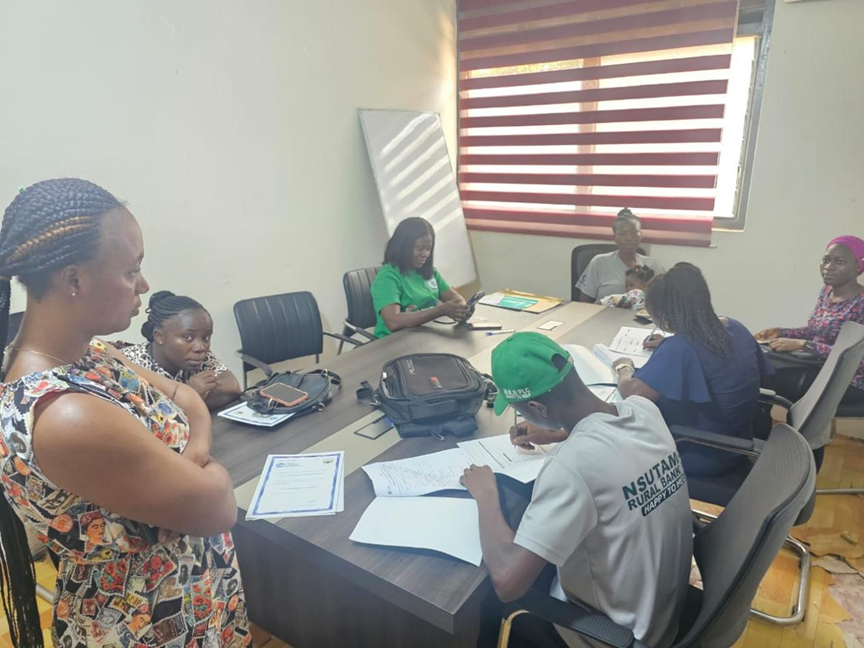
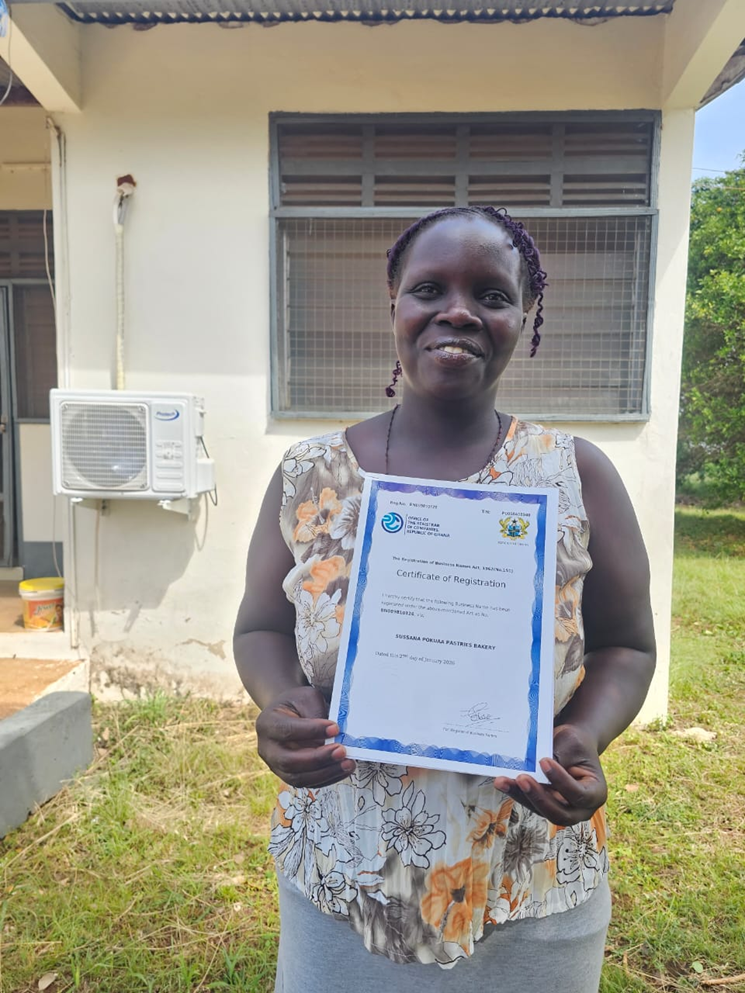
- 114 entrepreneurs received support to formally register their businesses and access low-interest loans through partners Agrinvest and Nsutaman Rural Bank.
- Multiple job placements were secured, with all 24 Livestock Health Management graduates placed under mentorship with veterinary field staff.
- Early-stage agribusinesses launched, including new farms, vegetable trading ventures, and food processing enterprises.
“The WUSC ACTIVATE short courses at AAMUSTED-Mampong have effectively translated skills training into tangible entrepreneurial and employment outcomes. The programme’s “Youth in Work” strategy integrated hands-on practice, seed funding, mentorship, and strong industry linkages.” – Dr. Benjamin Aboagye Danso
Notable key stakeholders including the Honourable Municipal Chief Executive of Mampong, Mr. Issifu Yakubu graced the ceremony and delivered the keynote address on the theme “Investing in Young Entrepreneurs: Growing Sustainable Economies from the Ground Up.” He encouraged the graduands to make use of the skills and training received from the short courses. The MCE further pledged government’s support to youth empowerment through government initiatives such as ‘Adwumawura’, Feed Ghana project, poultry support programme among others and urged graduands to seek further support in the bid of actualizing their aims.
The collaborative spirit of the project was highlighted by the array of dignitaries present. Dignitaries in attendance included CEO of Nsutaman Rural Bank, Executive Director of Agrinvest Limited, representative of the Principal of AAMUSTED-Mampong (Prof. Bismack Dwumfour-Asare, Dean of the Faculty of Environmental Health Education), Registrar of AAMUSTED-Mampong campus (Mr. Richard Mprah), Municipal Director of the Ministry of Food and Agriculture (Mrs. Anita Dwomoh), Municipal Social Welfare Director, Municipal Director for National Youth Authority, Municipal Director for Youth Employment Agency, Presiding member and Assembly members of Mampong municipal assembly, President of the Federation of Persons with Disability, Heads of Departments at AAMUSTED, media, parents and guardians.
Graduates were conferred with certificate of completion by Dr. Benjamin Sarfo and Dr. Nana Yaa Awua-Boateng.
A high point of the ceremony was a pledge by the Special Guest of Honour, philanthropist and CEO of Madenan Company Ltd., Dr. Mike Amofa Dankwah, to donate an amount of money into a revolving fund managed by Nsutaman Rural Bank to provide seed capital for graduates starting their businesses.
Goodwill messages were delivered by project partners including Nsutaman Rural Bank and Agrinvest Limited, highlighting the crucial role of financial and market linkages in sustaining the graduates’ ventures.
With this cohort successfully transitioning into the agribusiness ecosystem, the WUSC-ACTIVATE short courses demonstrates a potent model for reducing post-harvest losses, empowering youth, and driving inclusive economic growth from the ground up.
“I am now earning an income by applying what I learned in the livestock health management class. To date, I have vaccinated over 5,000 poultry birds, castrated 6 billy goats, and dewormed 36 sheep.” – Richard Osei Mireku (Participant)
“Thanks to the food processing skills I gained at the WUSC short course, I was able to supply GH¢3,000 worth of assorted local drinks for a wedding just last Sunday.” – Sussana Pokua (Participant)
“Although I was a practicing farmer before the programme, I have significantly improved my carrot business. I now keep proper records, adhere to safety protocols, and use improved marketing strategies. I have also obtained a business certificate to qualify for a loan thanks to the ACTIVATE project.” – Patience Noi (Participant)