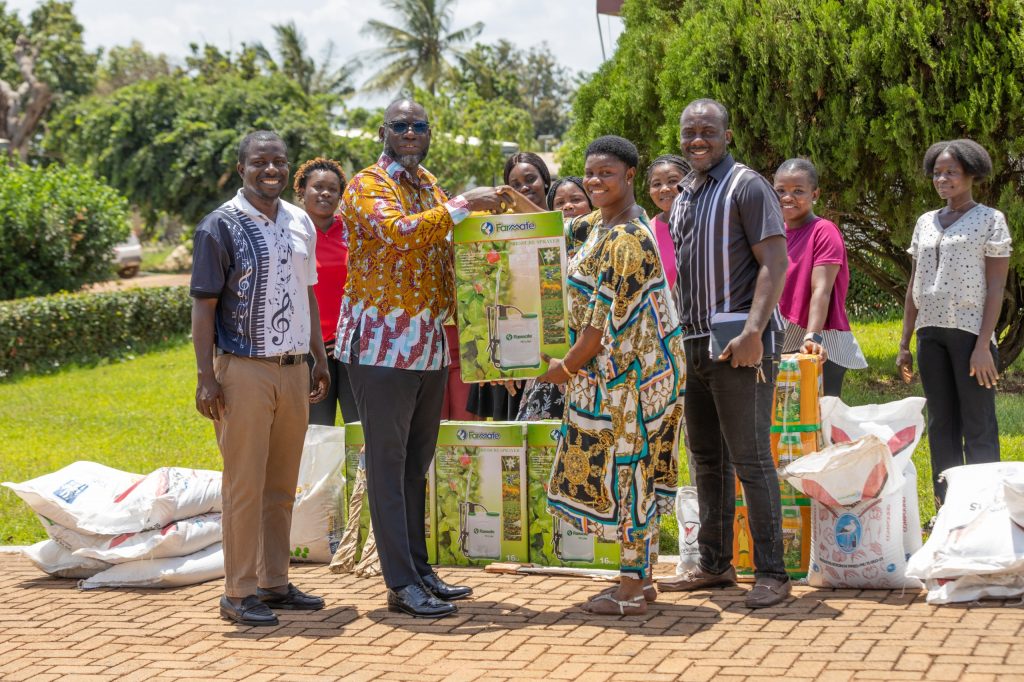
Mampong — Over the past month, the Mampong campus of the University of Skills Training and Entrepreneurial Development (USTED), implementing partners of the WUSC ACTIVATE project, has taken bold, successive steps to ensure youth trained in agripreneurship translate their skills into sustainable livelihoods.
Barely a month after celebrating the graduation of 209 youth from practically oriented agripreneurship short courses distributed fully start-up kits to all graduating learners from four specialised training tracks: Post Harvest and Food Processing, Non Traditional Agriculture, Livestock Health Management, and Vegetable Production.
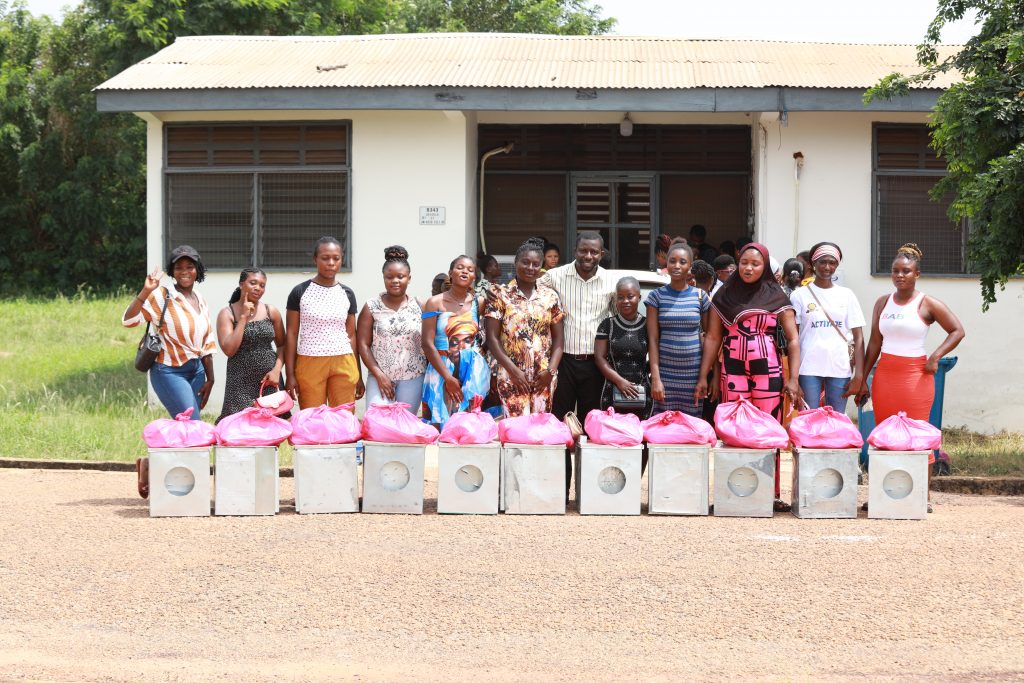
The event, held on the USTED Mampong’s Administration forecourt, saw beneficiaries walk away with a wide range of practical inputs. Graduates of the Post Harvest and Food Processing programme received ovens, hand mixers, flour, sugar, and other baking supplies. Those trained in Non Traditional Agriculture received beehives, mushroom bags, rabbit colonies, grasscutter colonies, and snail colonies. The university also distributed poultry birds, goats, sheep, drugs and vaccines to learners in the Livestock Health Management trade area.
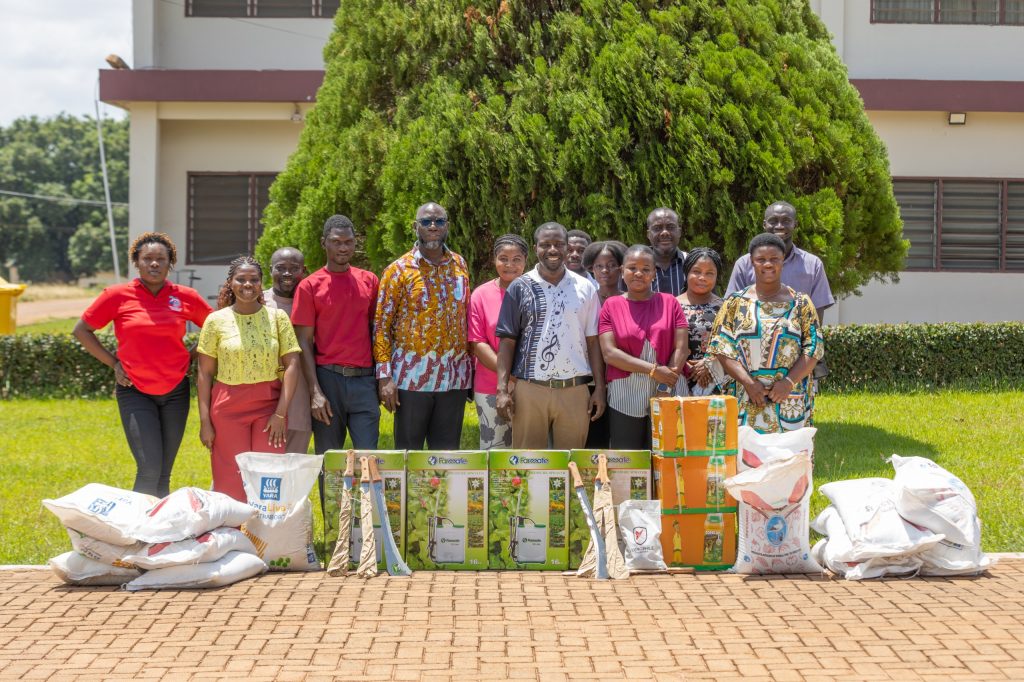
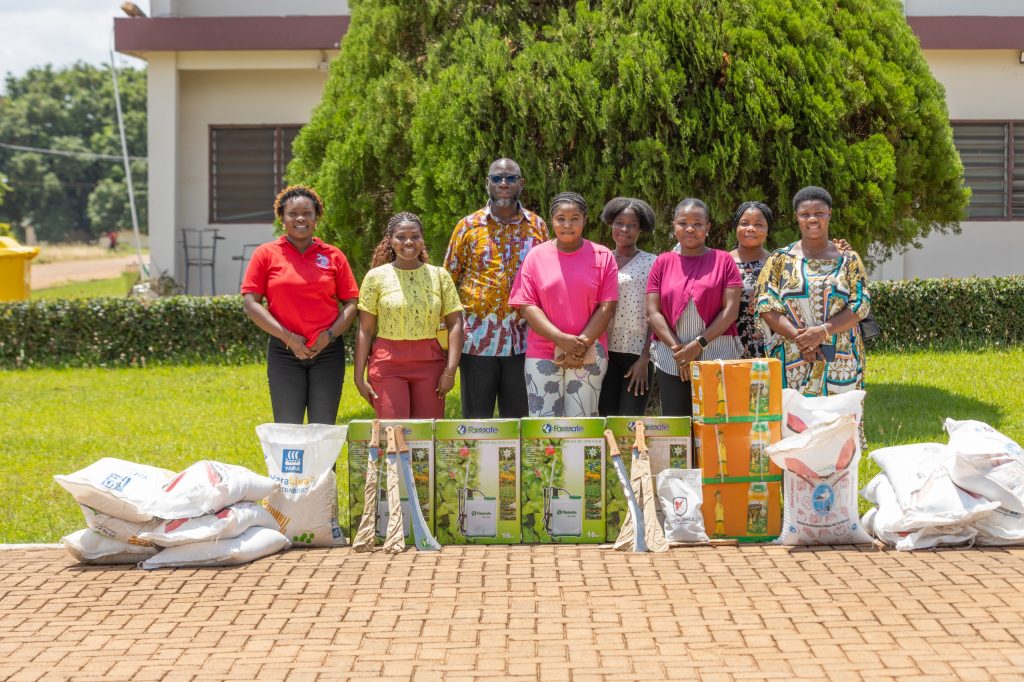
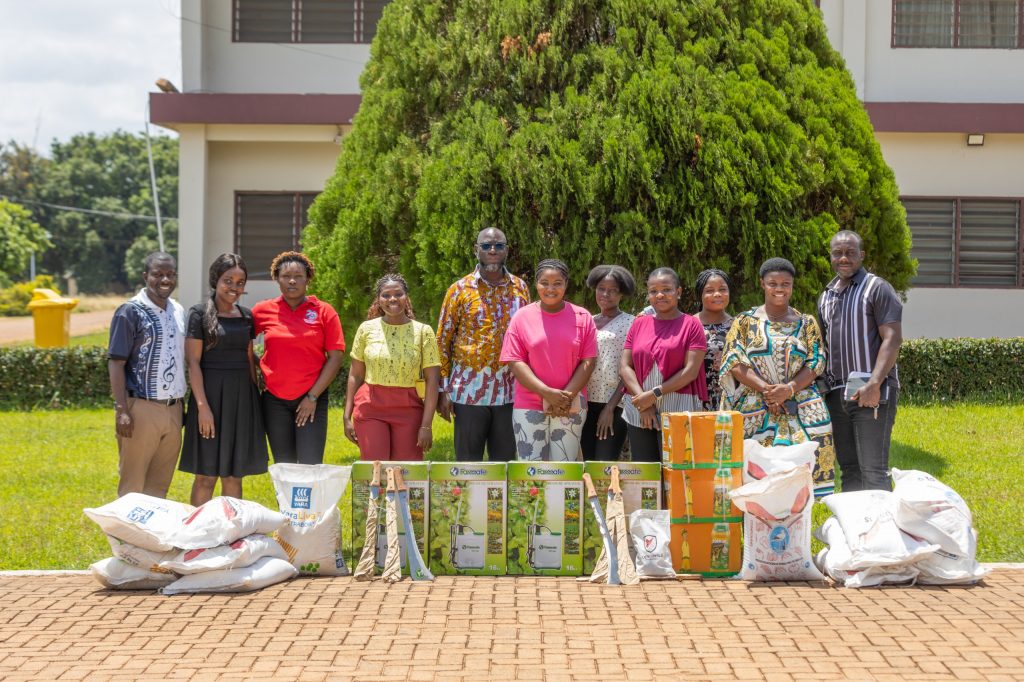
Those in the vegetable production, marketing, and primary processing class received knapsack sprayers, fertilizer, urea, cutlasses, weedicides, insecticides, and vegetable seeds. In addition, some beneficiaries received cash support to begin the aggregation of vegetables such as onions, carrots, pepper, and cabbage.
Addressing beneficiaries at the event, the Campus Registrar, Mr. Richard Mprah, encouraged the youth to work hard and treat the support as a serious business foundation.
“These items are not for consumption or sale. They are essential to build your agribusiness. I urge you to keep proper records from the very first day—track every cedi you spend and every cedi you earn. Hard work and discipline will determine how far you go,” Mr. Mprah said.
Present at the event were Dr. Benjamin Aboagye Danso (Project Coordinator), Dr. Benjamin Sarfo (MERL Officer), Dr. Benette Yaw Osei (Facilitator, Vegetable Production), and Ms. Millicent Maame Esi Bentum (Project Administrator) and other USTED staff.
The distributions underscore USTED Mampong’s broader strategy of linking short course certification with tangible business launch support. All beneficiaries are youth and persons with disabilities who had no prior formal agribusiness training but completed the university’s hands on, short courses programme.
Susana Opoku, who completed the food processing track, told our reporter, “I used to bake only occasionally. With my own oven and mixer, I can now start a small confectionery business from home.”
Patricia Adade from the non traditional agriculture class said: “The mushroom bags and snail colony will fit perfectly behind my house. I never imagined I could farm without owning a large plot of land.”
Patience Yarebu, a beneficiary in the vegetable class, said: “Before today, I could only dream of owning my own knapsack sprayer and buying quality seeds. Now, with this pack, I can properly care for my pepper farm without borrowing equipment. This support has given me real hope to expand my production.”
Jennifer Appiah, who received cash support for vegetable aggregation, added: “The cash support will allow me to start buying onions and carrots from nearby farmers and sell in bulk at the Mampong market. I have the training, and now I have the capital. I am ready to build a business that will support my family.”
The project coordinator hinted that the start up kit distribution will become a standard feature of the agripreneurship short courses, pending continued support from partners like WUSC ACTIVATE. A follow up mentoring and monitoring programme is also being planned for the next quarter to ensure beneficiaries successfully transition from training to sustainable enterprise operations.